
A hidden leak can announce itself through low pressure at the shower, a damp patch beside a wall, or water that looks discoloured after sitting overnight. Our trained plumbers can help locate the source before a pinhole in a supply line damages drywall, flooring, or insulation. A rapidly moving water meter, active dripping, water near an outlet, or a ceiling stain that is spreading should be handled immediately after shutting off the main valve if it is safe.
A slow drain or running toilet can sometimes wait for a scheduled repair if there is no overflow, sewage smell, or damage around the fixture. Banging pipes, no hot water, and pressure that suddenly drops throughout the house deserve faster attention because they may involve a failing valve, water heater connection, or damaged line. Catching a leak while it is limited to a cabinet or utility room is usually far easier than repairing soaked framing.
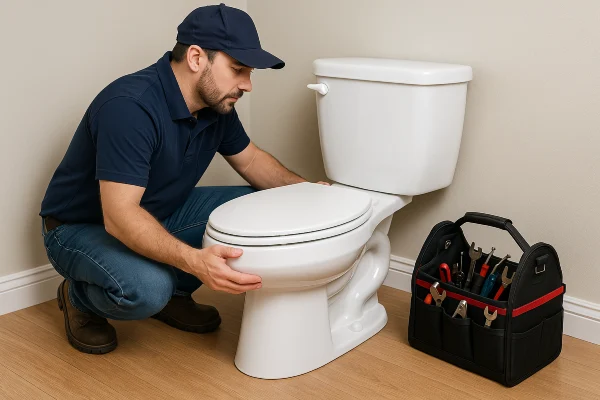
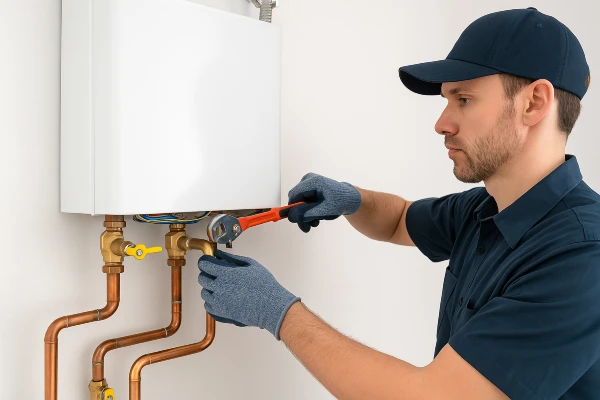
Work usually begins with isolating the water supply at a main shut-off or fixture valve, then checking the meter, pressure regulator, supply lines, and visible fittings. The plumber narrows down whether water is escaping from a toilet, valve, wall pipe, tank, or underground line. Pressure testing can show whether a closed plumbing system is losing water, while moisture readings and careful visual checks help avoid opening more drywall than necessary.
Learn more about our expert Clogged Line Solutions services.
For drainage concerns, camera inspection through a cleanout can reveal a cracked pipe, root intrusion, grease buildup, or a blockage at a trap. Clogged line solutions may include hydro jetting to clear debris without guessing at the obstruction. After access is made, damaged copper or other pipe sections may be soldered or replaced, loose fixtures can be re-seated, and every repaired connection is pressure tested before the supply is restored.
A leak beneath a newer slab, inside an older pier-and-beam crawlspace, or behind a tiled shower does not offer the same access or repair options. Galvanized pipe, copper, PEX, and polybutylene each behave differently and require compatible fittings. A valve under a kitchen sink may take little opening work, while a supply line behind stone backsplash can require removing materials carefully to reach the failed section.
Contact us to talk through your project.
What appears to be one weak fitting may uncover corrosion along several feet of pipe or sediment inside a water heater tank. A localized repair can buy roughly two years where surrounding material is already thinning, while replacing a longer run with properly sized PEX or copper may serve the system for fifteen years or more. Freezing weather, heavy rain, and summer irrigation demand also affect pressure, access, and the best time to contact a plumber.
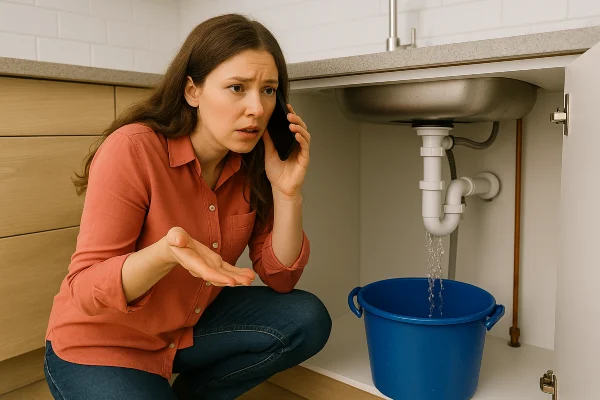
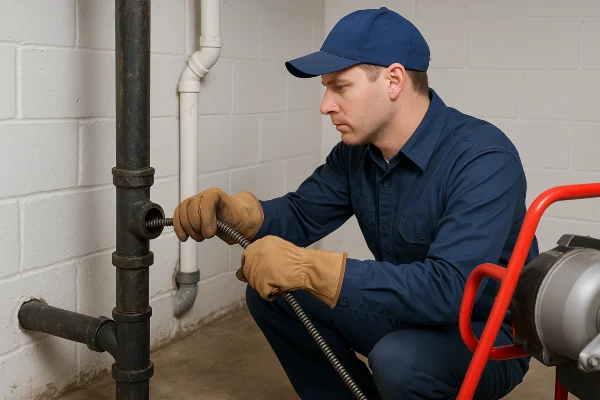
Ask how the leak will be located before walls, flooring, or concrete are opened. A clear answer should mention tools such as a pressure gauge, moisture meter, camera, or inspection through a cleanout, depending on the symptom. For a water heater issue, ask whether the estimate includes checking the tank, anode rod, thermostats, relief valve, and connections rather than simply replacing a visible part without identifying why it failed.
A proper estimate should separate diagnosis, access work, materials, repair labor, testing, and restoration limits. Ask what pipe material will be installed, where shut-offs will be placed, and whether pressure testing will happen before drywall is closed. In Leander, TX, a contractor should also explain what could change the scope, such as hidden corrosion, a damaged valve behind tile, or a line that cannot be reached without additional access.
EMERGENCY PLUMBER LEANDER
200 W Metro, Leander, TX 78641
(512) 894-6167
info@emergencyplumberleander.com
Hours of Operation
Open 24 Hours