
A commercial toilet that runs nonstop, leaves damp patches around its base, or drains slowly can disrupt staff and customers fast. Discoloured water in the bowl or repeated banging pipes may point to a failing valve, corroded supply connection, or pressure problem beyond the fixture itself. Our plumbing company can assess the toilet, shut-off, and drain line before a small restroom issue turns into water damage or an out-of-service facility.
A single weak flush in a lightly used restroom can sometimes wait for scheduled service, especially if the shut-off valve works and no water is escaping. Call promptly if water is pooling on tile, sewage is backing up, the toilet will not stop running, or multiple fixtures have slow drains. Those symptoms can signal a blocked branch line, damaged trap, or failing pressure regulator, and continued use can spread wastewater into walls or flooring.
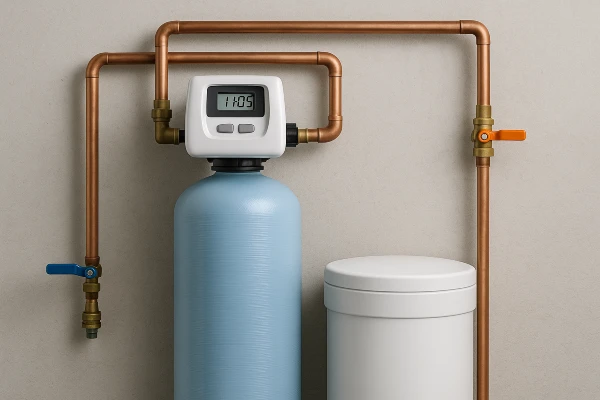
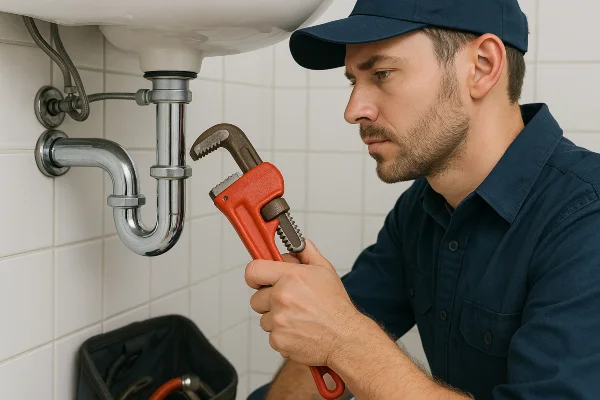
The work starts by locating the toilet’s shut-off and isolating the supply line, so water cannot continue feeding a leaking tank or valve. A plumber checks the tank, fill valve, flush valve, wax seal, trap, and floor flange for the source of failure. If several fixtures are affected, a camera inspection through a cleanout may reveal scale, roots, or paper buildup in the drain line rather than a problem with the toilet alone.
Learn more about our expert Hydro JettingPlumbing Services services.
After removal, the old fixture is disconnected, the flange and drain opening are cleaned, and a new seal is set before re-seating the toilet. Damaged supply lines, shut-offs, or valves may be replaced, with soldering used where copper piping requires it. Hydro JettingPlumbing Services may be recommended if the camera shows heavy drain buildup. The final step is pressure testing, repeated flushing, and checking the base for movement or seepage.
A newer retail suite with exposed shut-offs and a standard floor-mounted toilet usually offers easier access than an older restaurant, office building, or converted house with concealed cast-iron piping. Once the fixture comes up, a cracked flange, soft subfloor, or corroded valve may add necessary work. Limited access behind walls, heavy tile, and the need to keep multiple restrooms open can also change the sequence, materials, and downtime involved.
Learn more about our expert Kitchen Plumbing Redesign services.
The practical choice depends on what the inspection finds. Replacing a fill valve or supply line may buy roughly two more years from an otherwise sound toilet, while a cracked bowl or repeatedly leaking base often makes replacement the better fifteen-year-scale decision. Fixture height, flush volume, porcelain quality, and brass versus plastic valves affect durability. Kitchen Plumbing Redesign is a separate scope, but shared drain lines can reveal related capacity or cleanout concerns.
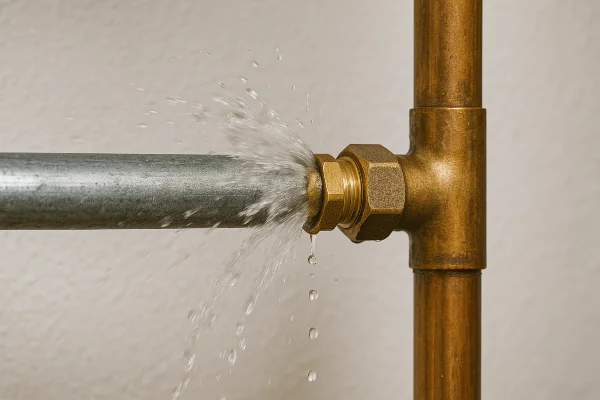
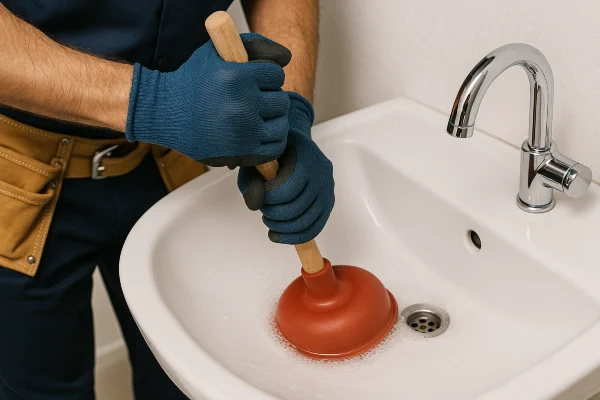
Ask the contractor to explain whether the problem is the toilet itself, the wax ring, the flange, the shut-off valve, or the drain line. A useful estimate separates fixture removal, replacement parts, supply-line work, drain cleaning, and any possible floor repair. It should also state what happens if a camera inspection finds a blockage farther downstream. That detail helps you compare scopes instead of comparing one vague total against another.
Before work begins, confirm who will shut off water, how restroom access will be managed, and whether the replacement toilet matches the existing rough-in measurement, commonly about 10 or 12 inches from wall to bolt center. Ask how the flange, trap, and surrounding floor will be inspected after removal. A clear explanation of pressure testing, flushing, cleanup, and disposal of the old porcelain shows you what will be checked before the restroom returns to use.
EMERGENCY PLUMBER LEANDER
200 W Metro, Leander, TX 78641
(512) 894-6167
info@emergencyplumberleander.com
Hours of Operation
Open 24 Hours